Protecting Your Smartphone Screen: Glass vs. Film Protectors
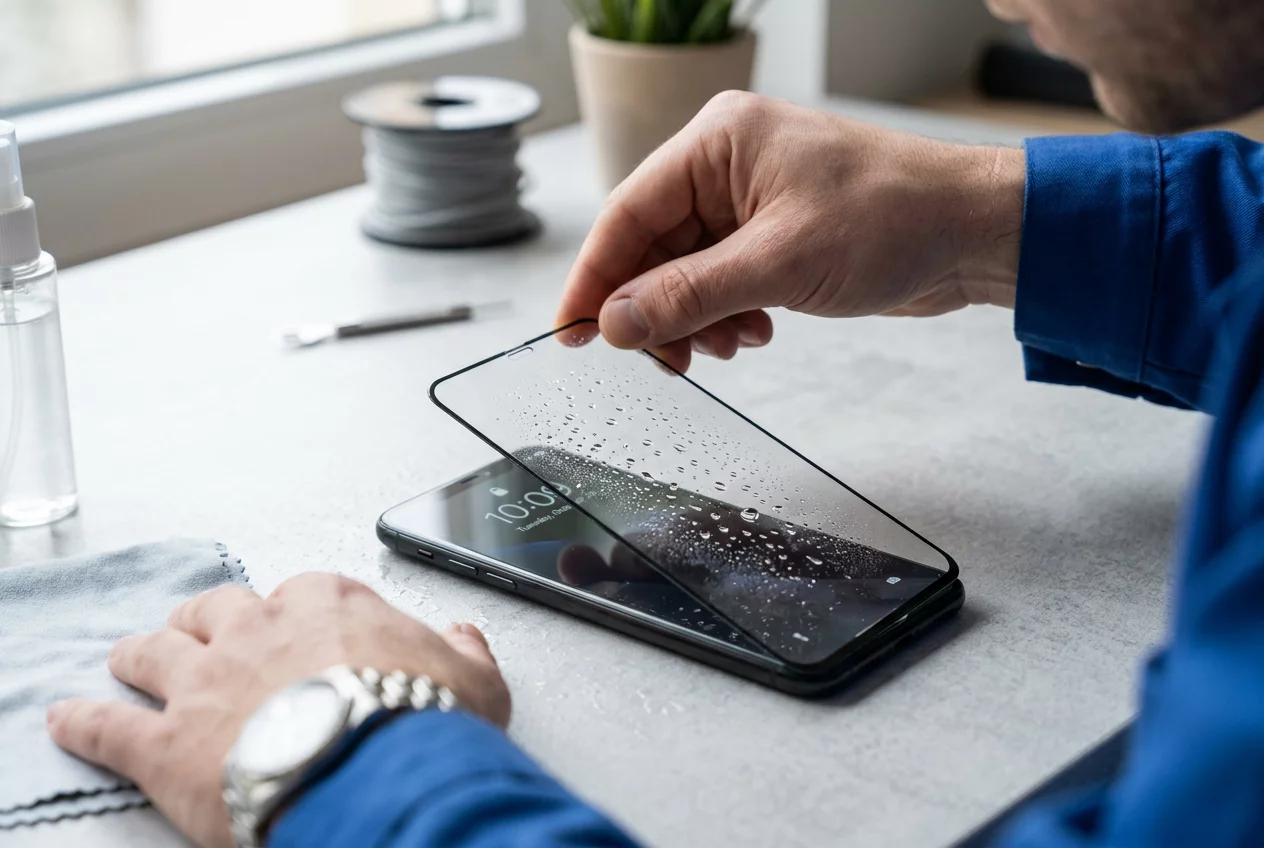
The Battle for Display Safety
Smartphone screens remain the most vulnerable part of the hardware despite advancements in glass chemistry. Owners face a choice between different types of protection to avoid costly repairs. Each material offers distinct advantages depending on your daily environment. Turnexedic understands that a functional screen is vital for accessing mobile services easily. Choosing the right protector extends the life of your device significantly.
The Strength of Tempered Glass
Tempered glass protectors provide the highest level of impact resistance. These multi-layered sheets are designed to shatter upon a heavy drop, absorbing the energy that would otherwise break the screen. The surface feels identical to the original glass of the phone. High-quality glass protectors feature oleophobic coatings to resist fingerprints and smudges. They are the best choice for users who frequently drop their devices on hard surfaces.
Flexibility of Hydrogel and Plastic Films
Film protectors are much thinner than their glass counterparts. They are nearly invisible once applied correctly and do not interfere with thick protective cases. Hydrogel films possess self-healing properties that allow small scratches to disappear over time. These protectors offer better coverage for phones with curved edges. While they provide less impact protection, they are excellent at preventing surface scratches from keys or sand.
Liquid Screen Protectors
A newer alternative involves applying a specialized liquid coating that bonds with the glass at a molecular level. This invisible layer increases the hardness of the surface without adding any bulk. It is compatible with every device regardless of screen shape. However, liquid protectors cannot be removed once applied and do not offer the same shatter resistance as tempered glass. They are ideal for users who hate the look and feel of traditional protectors.
Considerations for Fingerprint Sensors
Modern in-display fingerprint readers can be finicky with thick protectors. Ultrasonic sensors often require specialized glass with a thinner section over the scanner. Optical sensors generally work well with most films but might struggle with low-quality glass. Check the compatibility of the protector with your specific phone model before purchasing. Recalibrating your fingerprints after installation often improves the recognition speed.
Installation Tips for a Bubble-Free Finish
The success of any protector depends on the quality of the installation. Clean the screen thoroughly in a dust-free environment, such as a bathroom after a hot shower. Use the provided alignment tools to ensure the protector is perfectly centered. Apply pressure from the center outward to push out any trapped air. Patience during this process prevents the frustration of unsightly bubbles or lifting edges.